

The psychology of casino design
The design of a casino is intricately linked to the psychological responses of players. Colors, lighting, and layout play a crucial role in influencing emotions and behavior. Warm colors like red and gold often create an atmosphere of excitement and luxury, compelling players to engage with fast payout online pokies australia that enhance their experience. Moreover, the arrangement of gaming machines and tables can evoke feelings of comfort and security, encouraging longer visits. Casinos are designed to provide an immersive experience that entices players to lose track of time and space.
Research indicates that the spatial layout directly influences the flow of foot traffic within a casino. Well-designed pathways guide players effortlessly from one area to another, enhancing the overall experience. The strategic placement of high-stakes games near the entrance draws in players seeking thrills, while more casual games are often secluded to create a sense of intimacy. This careful orchestration of space not only maximizes player engagement but also impacts the duration of their stay, increasing the likelihood of spending more.
Furthermore, casinos often employ sensory elements to heighten attraction. The sounds of slot machines, the soft music playing in the background, and even the scent of complimentary drinks create an engaging ambiance. These auditory and olfactory cues trigger positive emotions, making players associate their experience with pleasure. This psychological manipulation leads to deeper immersion, as players are less likely to focus on time and more on the enjoyment of their activities, which can ultimately affect their spending behaviors.
The importance of lighting
Lighting is one of the most potent tools in casino design, serving to create mood and influence player behavior. Bright lighting often draws attention to popular gaming areas and showcases the excitement surrounding those games. In contrast, softer, dim lighting can create a more relaxed environment, encouraging players to linger longer at tables or slots. The careful modulation of light can make players feel more at ease, ultimately enhancing their overall gaming experience.
Moreover, casinos utilize lighting strategically to highlight certain games or promotions. Flashy lights around a jackpot machine can ignite players’ interest and lend a sense of urgency to their decisions. Conversely, ambient lighting in lounge areas can invite players to take breaks, thus extending the duration of their visit. By managing lighting effectively, casinos can guide behavior, subtly shaping how players interact within the space.
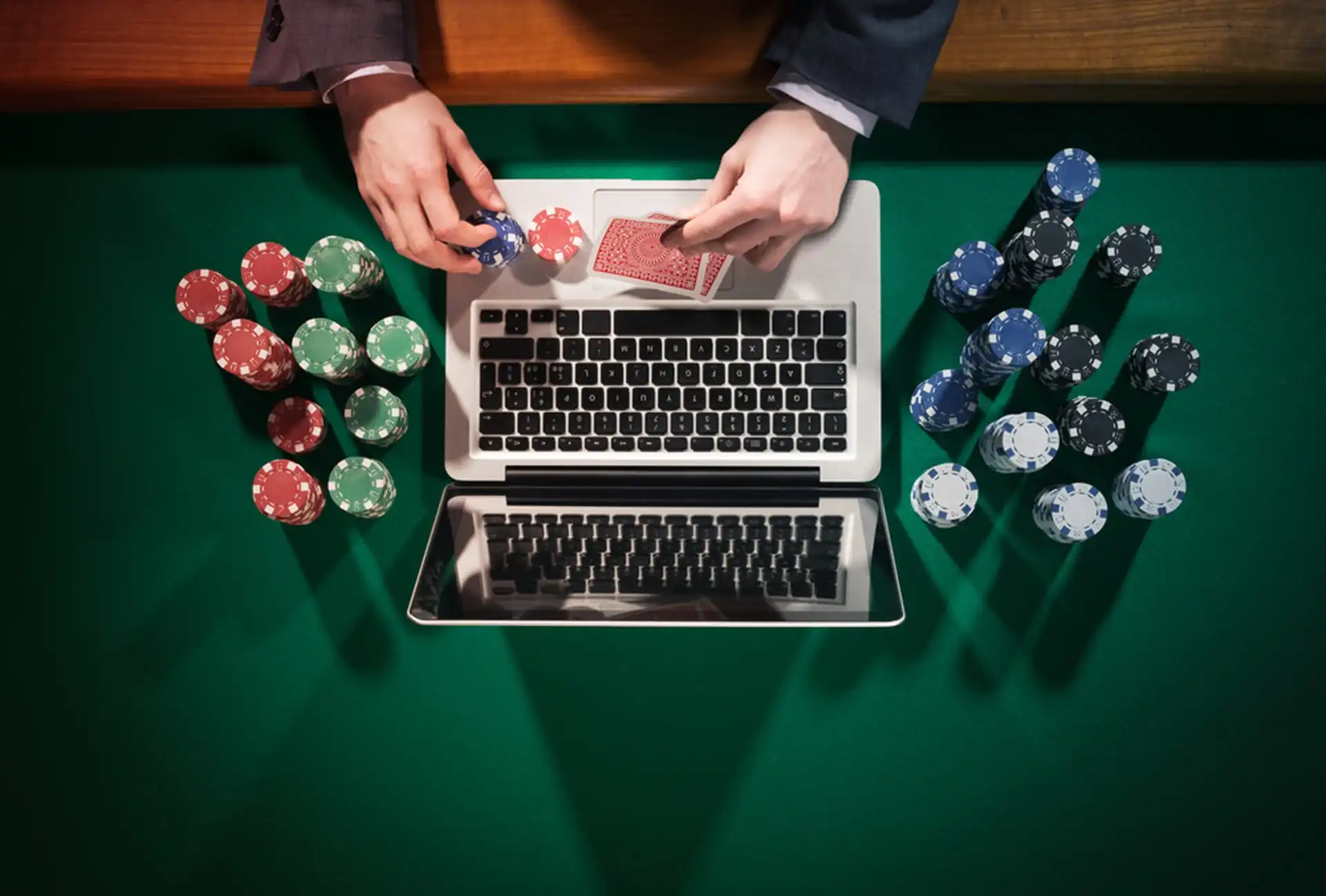
The psychological effect of light on mood and decision-making cannot be underestimated. Studies show that bright environments generally stimulate excitement and energy, prompting players to wager more aggressively. In contrast, softer, warmer lighting can lead to a more reflective mood where players make cautious bets. This dichotomy highlights how integral lighting is not just for aesthetics but for strategically influencing how much and how often players choose to engage with different gaming options.
The role of sound
Sound design is another critical aspect of casino environments that can significantly influence player behavior. The sounds produced by slot machines—like ringing coins and celebratory jingles—are intentionally designed to elicit positive emotional responses. These auditory cues reinforce the behavior that leads to winning, thereby encouraging players to continue playing. The upbeat and often incessant sounds create an energetic atmosphere that can make players feel they are part of a larger, thrilling experience.
Furthermore, background music plays an essential role in establishing the mood of a casino. Upbeat and lively tracks can increase arousal levels, making players feel more excited and inclined to spend money. Conversely, slower tempos can create a more relaxed and comfortable environment, allowing players to think more carefully about their betting strategies. This nuanced use of sound impacts the pacing of play and can directly influence the time players spend in the casino.
Beyond simply keeping energy levels high, sound also serves to mask other noises that could distract players or deter them from engaging. The cacophony of various games, laughter, and conversations can create an enveloping atmosphere that feels vibrant yet comforting, enhancing the appeal of the gambling experience. In essence, a well-curated sound environment reinforces the immersive quality of a casino, making it an enticing location for extended play and increased spending.
The impact of layout on navigation
The layout of a casino is fundamental to how players navigate through the space and engage with various games. An open layout often encourages exploration, allowing players to flow freely from one area to another. This design approach can stimulate curiosity and encourage players to try new games, increasing the overall time spent within the establishment. A well-organized floor plan can also make it easier for players to locate their favorite games, which fosters a sense of familiarity that keeps them returning.
Additionally, strategic zoning can effectively guide player behavior. High-stakes areas are often secluded, catering to more serious players, while casual gaming areas tend to be more open and inviting. This zoning differentiates the player experience, allowing individuals of varying budgets and desires to find a comfortable niche. Such considerations can lead to increased time spent at the venue, as players feel the options available to them cater to their personal gaming preferences.
Moreover, incorporating social spaces like bars and lounges is vital for enhancing engagement. These areas not only provide a place for players to relax but also create opportunities for social interaction, which can extend playtime. When players feel part of a community or social experience, they are likely to spend more on gaming and related amenities. The thoughtful layout of a casino balances gaming excitement with social comfort, resulting in an inviting atmosphere that promotes prolonged visits.
Conclusion: The influence of design on the casino experience
The design of a casino significantly impacts how players interact with the gaming environment, ultimately shaping their behavior and spending patterns. From the psychological effects of color and lighting to the strategic use of sound and layout, every element is meticulously crafted to enhance the overall experience. The immersive atmosphere created by these design choices not only encourages longer playtime but also fosters a sense of loyalty among patrons.
As the industry continues to evolve, understanding the nuances of casino design will be increasingly important for operators seeking to enhance player engagement. By focusing on creating a captivating environment that resonates with players on multiple sensory levels, casinos can significantly improve their profitability and customer satisfaction. Emphasizing elements such as comfort, excitement, and social connectivity will ensure that players return time and again, drawn in by the compelling design of their favorite gaming establishments.
Ultimately, the strategic design of casinos underscores the importance of creating an appealing experience that resonates with players. Those interested in understanding the complex interplay between design choices and player behavior can benefit from exploring various casinos, observing their layouts, atmospheres, and features. This deeper insight may foster a greater appreciation for the thoughtful intricacies behind casino operations and the player experience.